INOV.AM Agenda brings Portuguese innovation to PPS-41 with presentation of research results
The INOV.AM Agenda continues to assert its presence in international scientific forums through the presentation of results developed in consortium.
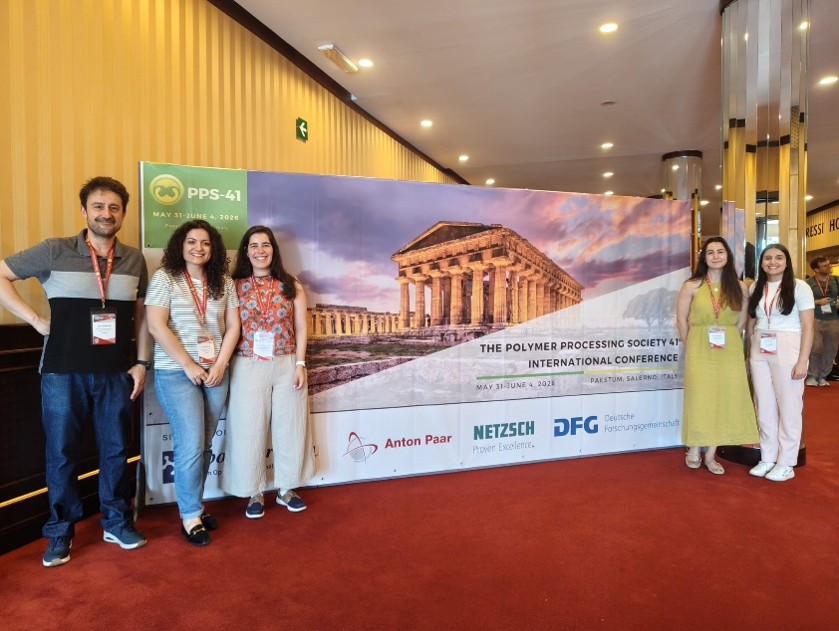
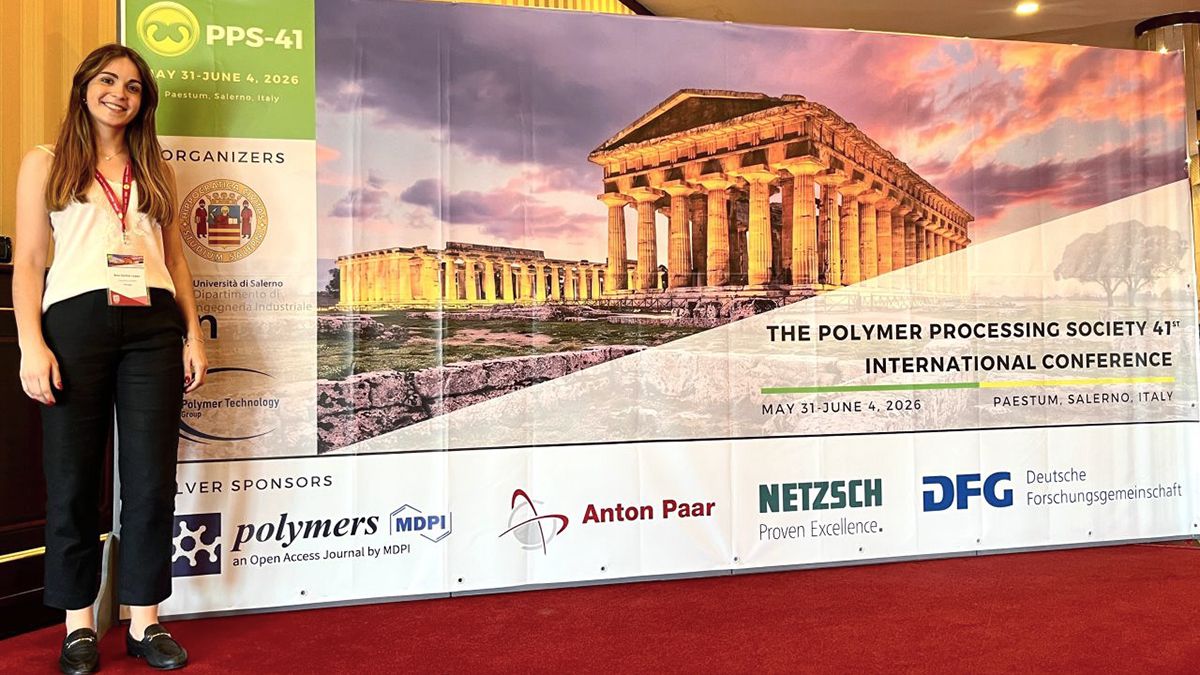
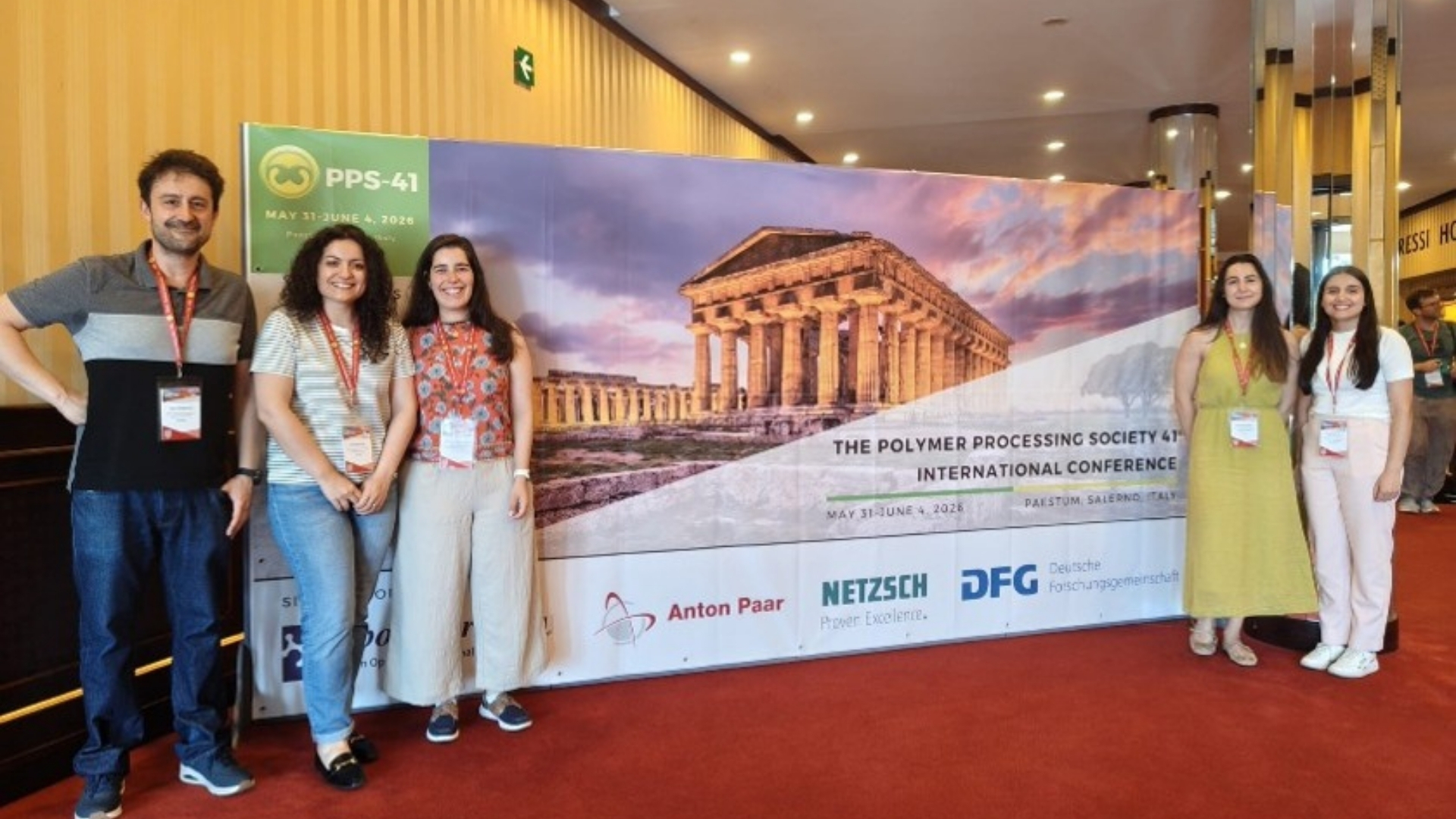
Between May 31st and June 4th, the INOV.AM Agenda participated in the 41st International Conference of the Polymer Processing Society (PPS-41), which took place in Paestum, Italy. This conference brought together researchers, industry professionals, and experts from around the world in the areas of polymer processing, additive manufacturing, injection molding, composite materials, polymer recycling, sustainability, and the circular economy.
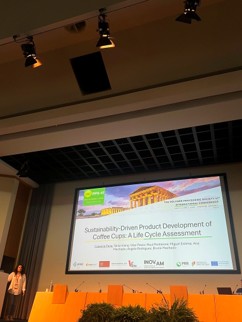
Within the WP1, partner PIEP presented the work “Sustainability-Driven Product Development of Coffee Cups: A Life Cycle Assessment,” dedicated to evaluating the environmental performance of a coffee cup produced by over-injection with inserts manufactured by additive manufacturing from recycled polyethylene. The results demonstrated a reduction in the environmental impact of the developed solution, highlighting the potential of Design for Recycling approaches in the design of more sustainable products.
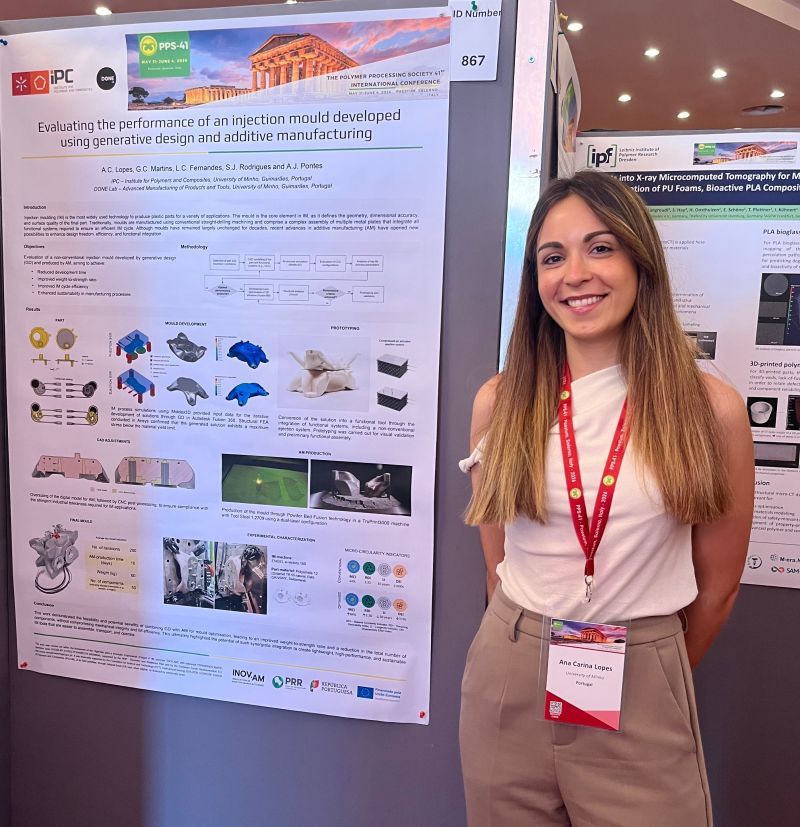
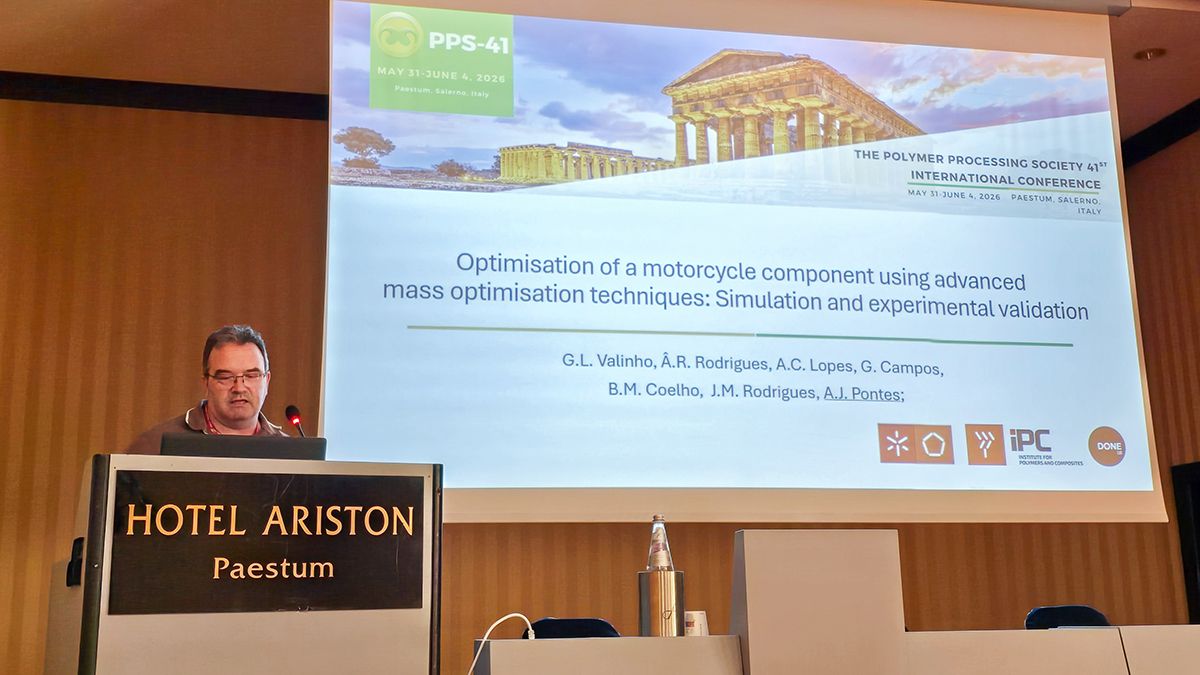
In WP4, partner DONE Lab from University of Minho presented two studies. The first, “Evaluating the Performance of an Injection Mold Developed Using Generative Design and Additive Manufacturing”, focused on the production and characterization of an injection mold (Mold5G) designed through a combination of advanced computational methods and additive manufacturing, with the objective of reducing mass and improving the structural performance of conventional solutions. The second work, “Optimization of a Motorcycle Component Using Advanced Mass Optimization Techniques: Simulation and Experimental Validation”, presented the structural optimization of a motorcycle component.
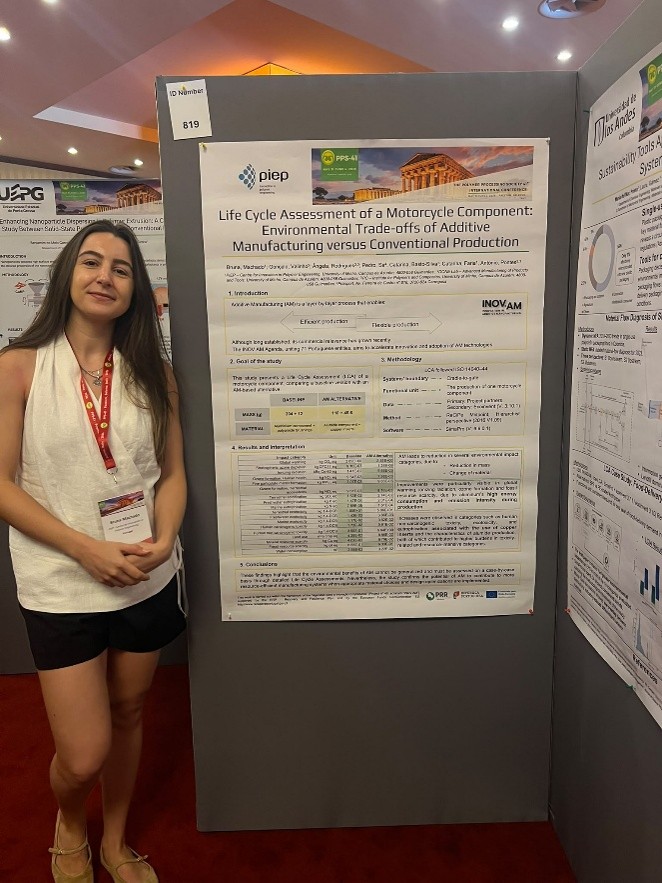
In the context of WP7, PIEP presented the study “Life Cycle Assessment of a Motorcycle Component: Environmental Trade-offs of Additive Manufacturing versus Conventional Production”, centered on the analysis of the environmental impacts of additive manufacturing of a motorcycle component with aluminum-polyamide alternatives. The research identified relevant benefits in terms of global warming, ionizing radiation, and the scarcity of fossil resources, reinforcing the importance of Life Cycle Assessment in decision-making for the development of more sustainable industrial solutions.
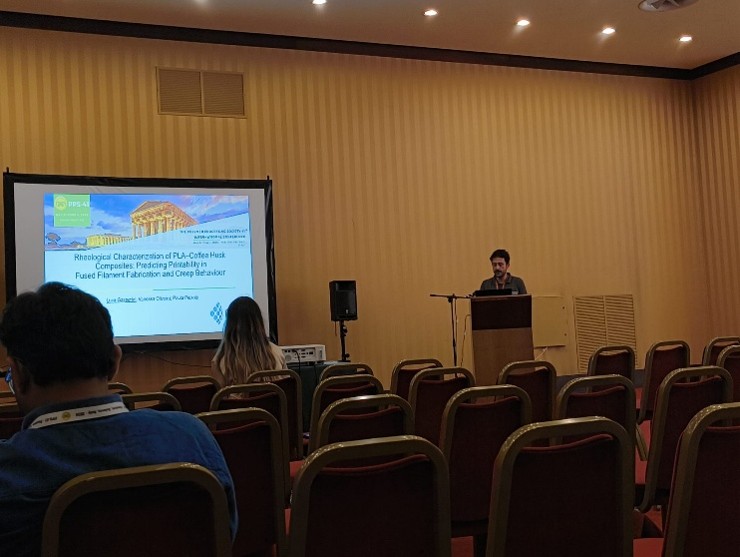
Furthermore, within WP23, PIEP presented the work “Rheological Characterization of PLA–Coffee Husk Composites: Predicting Printability in Fused Filament Fabrication and Creep Behaviour,” which focused on the results of the development and rheological characterization of PLA composites reinforced with coffee husk for fused filament fabrication (FFF/FDM).
In WP40, the DONE Lab from University of Minho presented the work “Optimizing a Polymeric Aerospace Component through Computational Tools and Additive Manufacturing,” dedicated to the optimization of a polymeric component for the aerospace industry, through the combination of advanced computational methods and additive manufacturing. The goal was to reduce the mass and improve the structural performance of conventional components, contributing to the development of more efficient solutions for the sector.
Participation in PPS-41 reinforces the positioning of the INOV.AM Agenda and highlights the scientific relevance of the results achieved by its partners, demonstrating the Agenda’s commitment to the development of innovative and sustainable solutions.